LED Colour Temperature Guide — Warm White, Neutral White, or Cool White?
How to pick the right Kelvin rating for every room, and why it matters more than most lighting decisions.
Shopping for light bulbs? See prices and specs, or send us your floor plan.
What is colour temperature?
Colour temperature measures the tone of white light on the Kelvin (K) scale. Lower numbers are warmer — more yellow and amber, like a candle flame at around 1800K or a classic incandescent bulb at 2700K. Higher numbers are cooler — more blue-white, like an overcast sky at 6500K. The number has nothing to do with heat or power. A 6500K LED doesn't run hotter or draw more electricity than a 2700K one at the same wattage. The only difference is the colour of the light it produces.
The Kelvin scale at a glance
2700K produces a soft amber glow, close to candlelight. Intimate and relaxing. 3000K is the most popular residential choice in Singapore — warm but clean, like halogen. This is the default for modern renovations. 4000K is neutral white with only a slight warmth. Clean, balanced, and functional. 5000K is crisp and energising with no warmth at all. 6500K has a visible blue tint — the old fluorescent tube default that most Singapore renovations are now deliberately moving away from.
Living room: 3000K
3000K makes wood tones richer, skin tones warmer, and fabric textures more visible. It's what most interior designers in Singapore now specify for residential living areas. If you entertain often and want the option of a brighter feel, 3000K on a dimmer gives you range — full brightness for hosting, dimmed for evenings. In HDB open-plan layouts where the living and dining areas share one ceiling, 3000K works across both zones without looking too amber or too clinical.
Kitchen: 4000K
Food prep needs accurate colour rendering. You want to see whether chicken is cooked through and whether vegetables look fresh. 4000K delivers that neutral, true-colour visibility without the harshness of 6500K. If your kitchen opens into the living room (common in newer HDB layouts), the shift from 3000K to 4000K is subtle and most people won't notice the transition.
Bedroom: 2700K
The bedroom is the one room where going warmer pays off. 2700K mimics the quality of light at sunset, which supports melatonin production and helps you wind down. 3000K works if 2700K feels too amber for your taste. Anything above 4000K in a bedroom is a mistake — it keeps your brain alert when it should be slowing down. For bedside reading, use a warm lamp rather than overhead lighting.
Bathroom: 4000K at the mirror
Grooming needs neutral light. If your morning routine involves checking colour accuracy — makeup, shaving, skincare — 4000K at the vanity mirror is the standard. For the rest of the bathroom, 3000K creates a warmer feel. If choosing a single temperature for the whole room, 4000K is the safer pick for practicality.
Study and home office: 4000K
Neutral white keeps you alert without the eye strain that cool daylight causes during long sessions. 4000K is the standard for commercial offices worldwide, and the same logic applies at home. If the room doubles as a guest bedroom, a tri-colour fixture that switches to 3000K at night is worth the small premium.
Corridors: match the living room
The corridor is a transition space. Match it to the adjacent rooms — usually 3000K. A shift from 3000K in the living room to 6500K in the hallway makes the corridor feel like a hospital. In HDB layouts where the corridor connects living room to bedrooms, 3000K throughout keeps the flow seamless.
How ceiling height changes the feel
In a standard HDB flat at 2.6m, light bounces off the ceiling and back into the room with more intensity because there's less distance to travel. Cool white at 5000K or above can feel glaring at this height. Warm white is more forgiving at close range. Condos with 2.8–3.0m ceilings give light more room to diffuse, so 4000K feels natural rather than harsh. If you're building an L-box false ceiling — common in HDB and condo renovations — the effective height drops by another 150–200mm. At 2.4m, warm white becomes even more important as the primary layer.
Tuneable white: when it's worth paying more
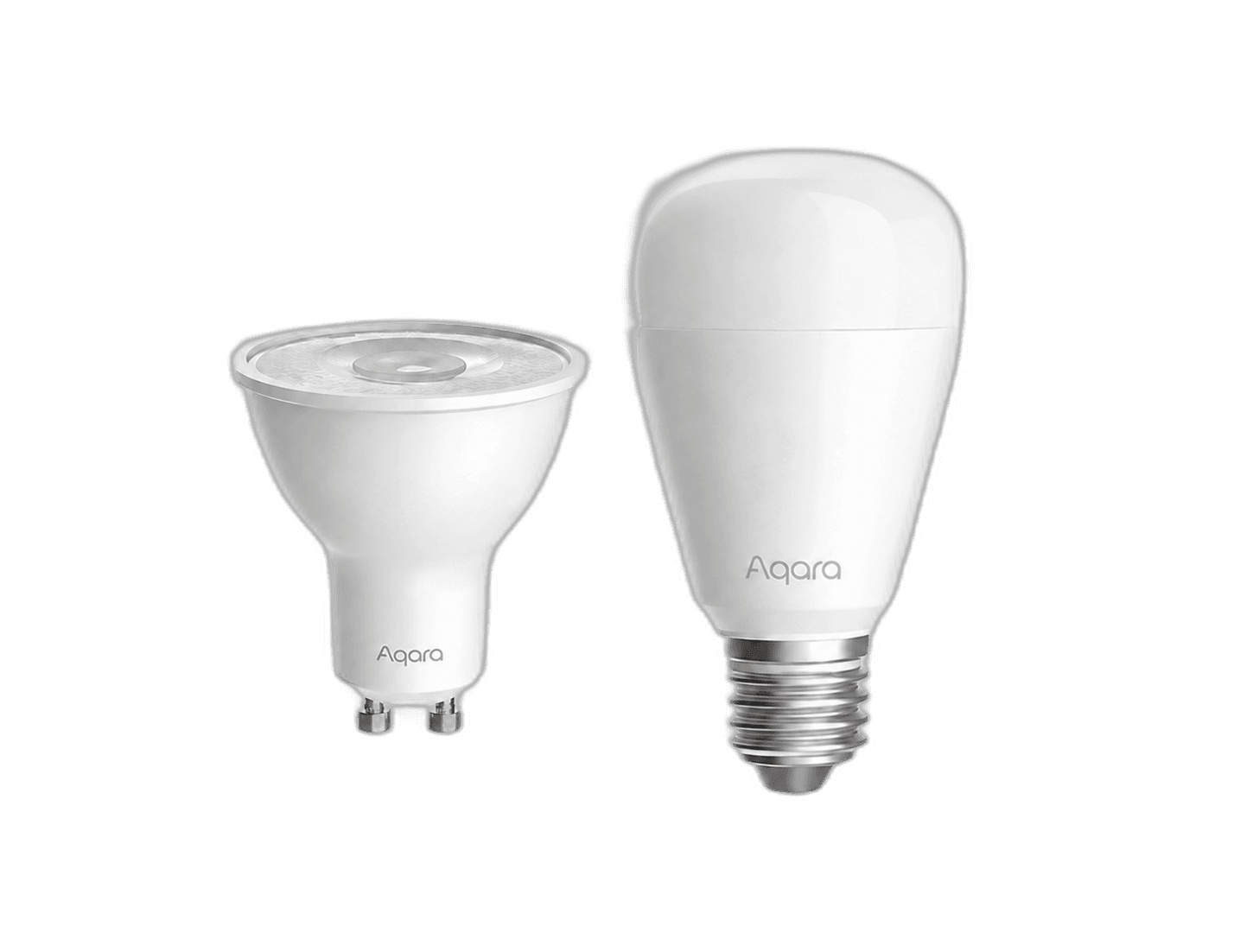
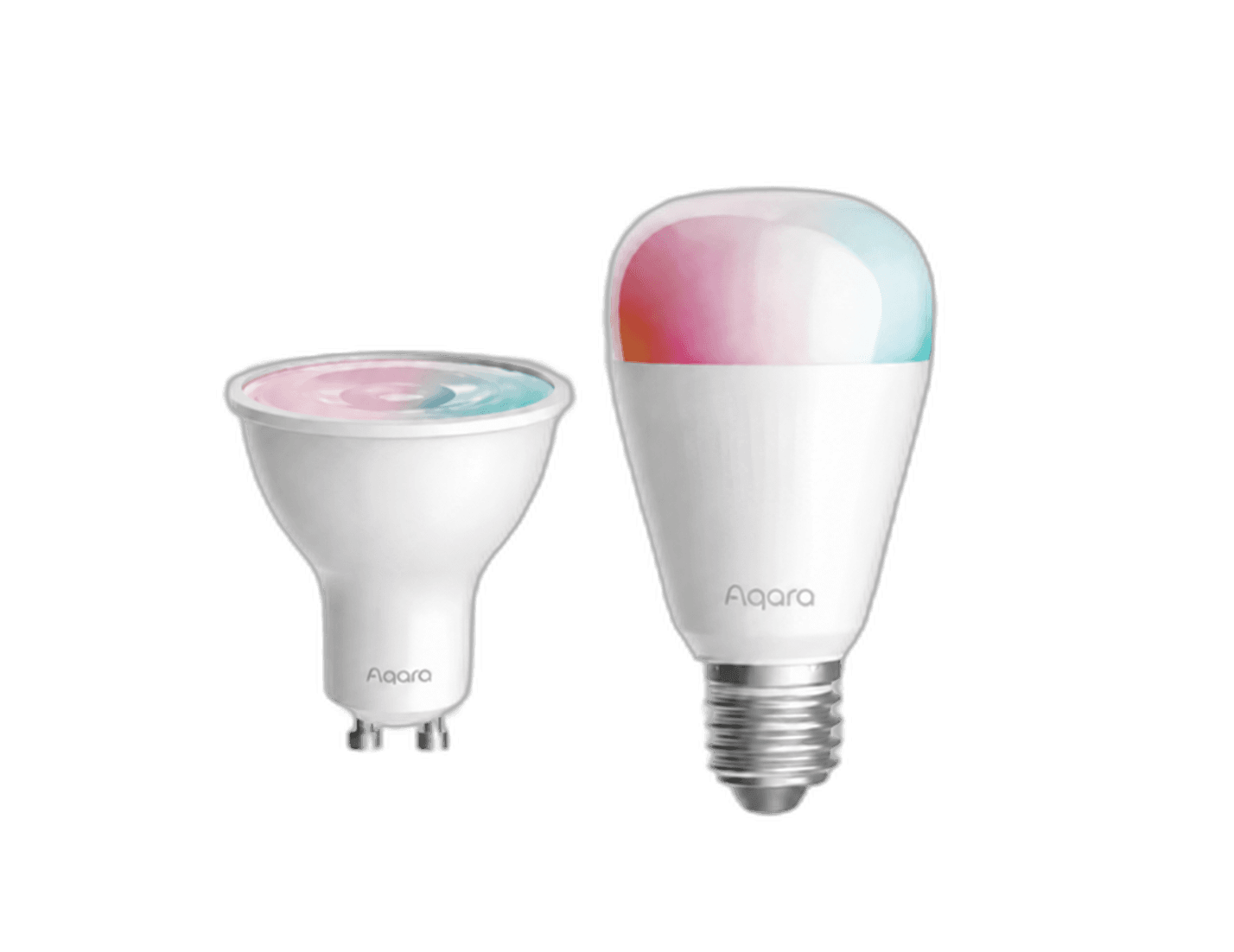
Tuneable fixtures contain two sets of LED chips — warm and cool — and blend them to hit any temperature in between. The simplest version is the tri-colour switch (3000K / 4000K / 6500K), toggled by flipping the wall switch. Tri-colour downlights cost about $6–10 more per fixture than single-colour equivalents. Over a whole flat, that's $100–200 extra. Worth it in living rooms and bedrooms where you might want flexibility. Not worth it in corridors, storerooms, or bathrooms where you set the temperature once and forget it.
Colour temperature across fixture types
Downlights deliver focused, direct light, so the colour temperature is highly visible on surfaces below. Track lights and spotlights concentrate even further — match them to the material they're aimed at (3000K for wood and warm textures, 4000K for concrete and grey surfaces). LED strips in coves bounce light off the ceiling, and the reflected glow appears slightly warmer than the rated temperature. A common technique: run cove strips at 2700K with 3000K downlights for a layered, cohesive warm feel. The rule: keep the same temperature across all fixtures of the same type within a room. Deliberate variation between fixture types is fine.
Is 3000K or 4000K better for a living room?
3000K is the more popular choice for Singapore living rooms. It's warm enough to feel comfortable but not so amber that it distorts colours. 4000K works if you prefer a crisper, more modern feel. Side by side, the difference is obvious. In isolation, most people adapt within minutes and stop noticing. If you can't decide, tri-colour fixtures let you live with both before committing.
Does colour temperature affect electricity consumption?
No. A 10W LED at 3000K draws the same power as a 10W LED at 6500K. Colour temperature is about light quality, not energy use.
Why does 6500K feel brighter at the same wattage?
Human vision peaks at green-yellow wavelengths around 555nm. Cool white light has more energy in this range, so it appears sharper and more vivid even at the same lumen output. It's a perception effect, not additional brightness. If you need more actual light, increase the wattage or lumen output — don't raise the Kelvin.
What is CRI and does it matter?
CRI (Colour Rendering Index) measures how accurately a light source renders colours compared to natural light. A 3000K downlight with CRI 90 makes skin and wood look natural. The same temperature at CRI 70 makes everything look flat. For living spaces, aim for CRI 90 or above. Corridors and storerooms are fine at CRI 80. CRI is often more important than colour temperature for how a room looks.
Can I mix colour temperatures in the same room?
Avoid mixing the same fixture type at different temperatures — two downlights at 3000K next to one at 4000K looks wrong. But mixing different fixture types at slightly different temperatures is standard practice. 3000K downlights with 2700K cove lighting creates depth without clashing. Consistency within each fixture type, intentional variation between types.