Recessed vs Surface Mounted Downlights: A Practical Comparison
Two ways to light a ceiling. Here's how to decide which one fits your space.
Shopping for recessed downlights? See prices and specs, or send us your floor plan.
The basic difference
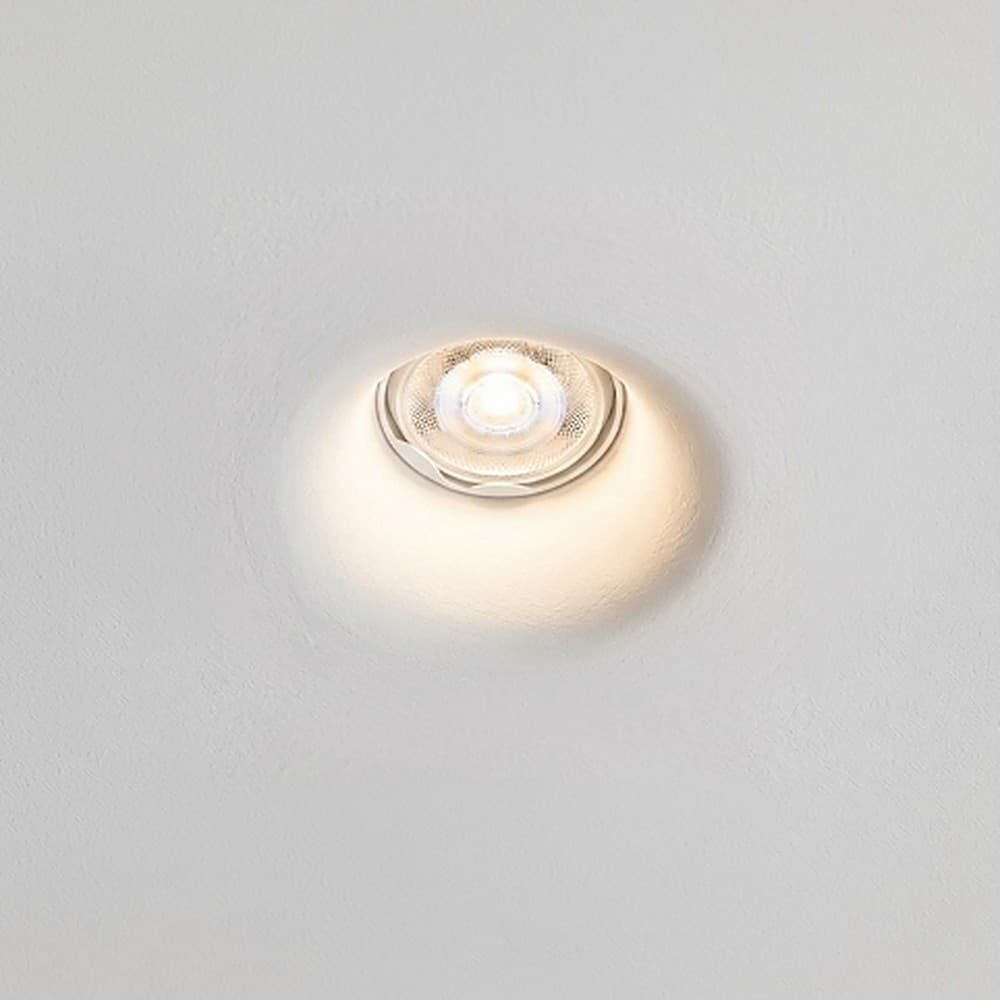
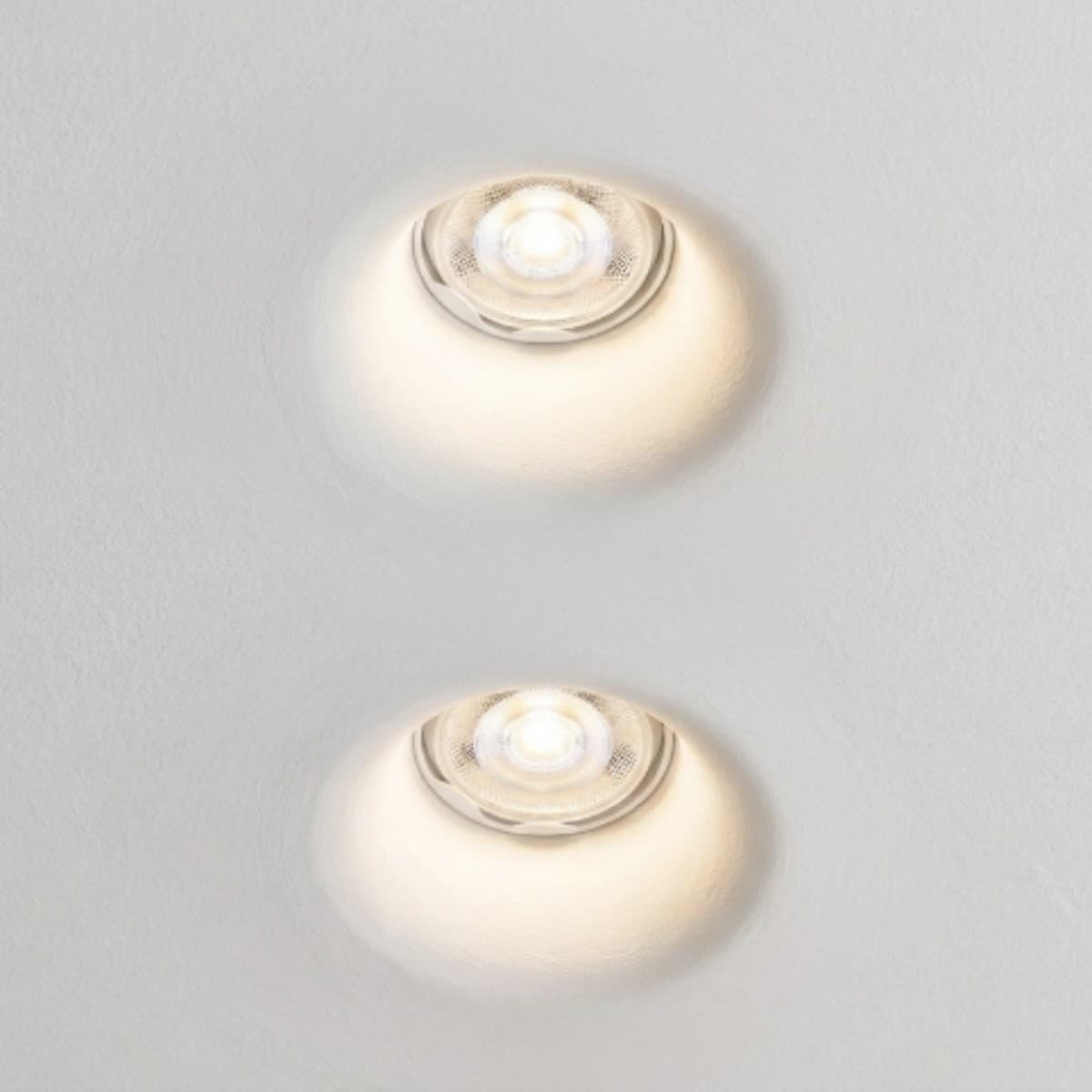
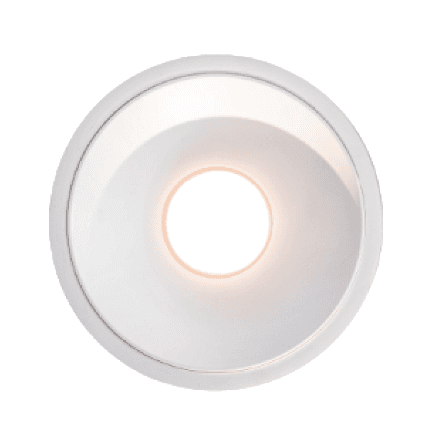
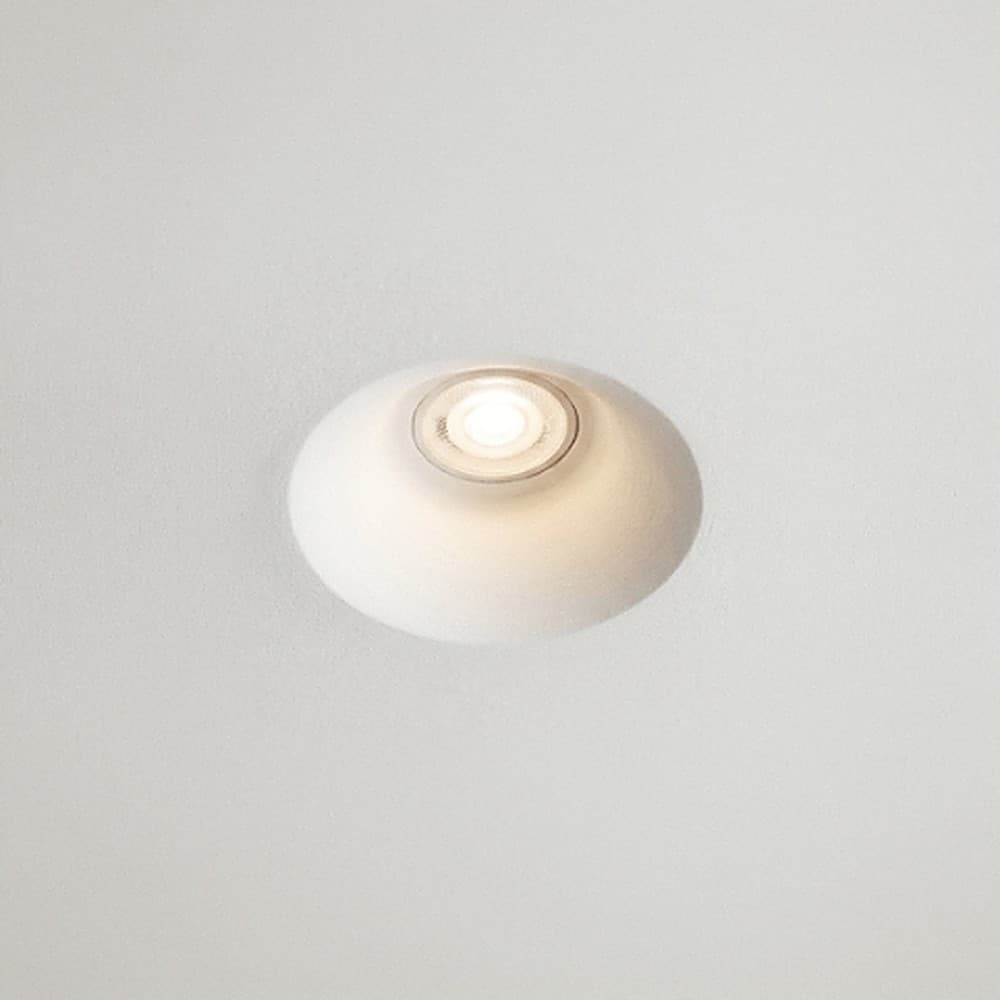
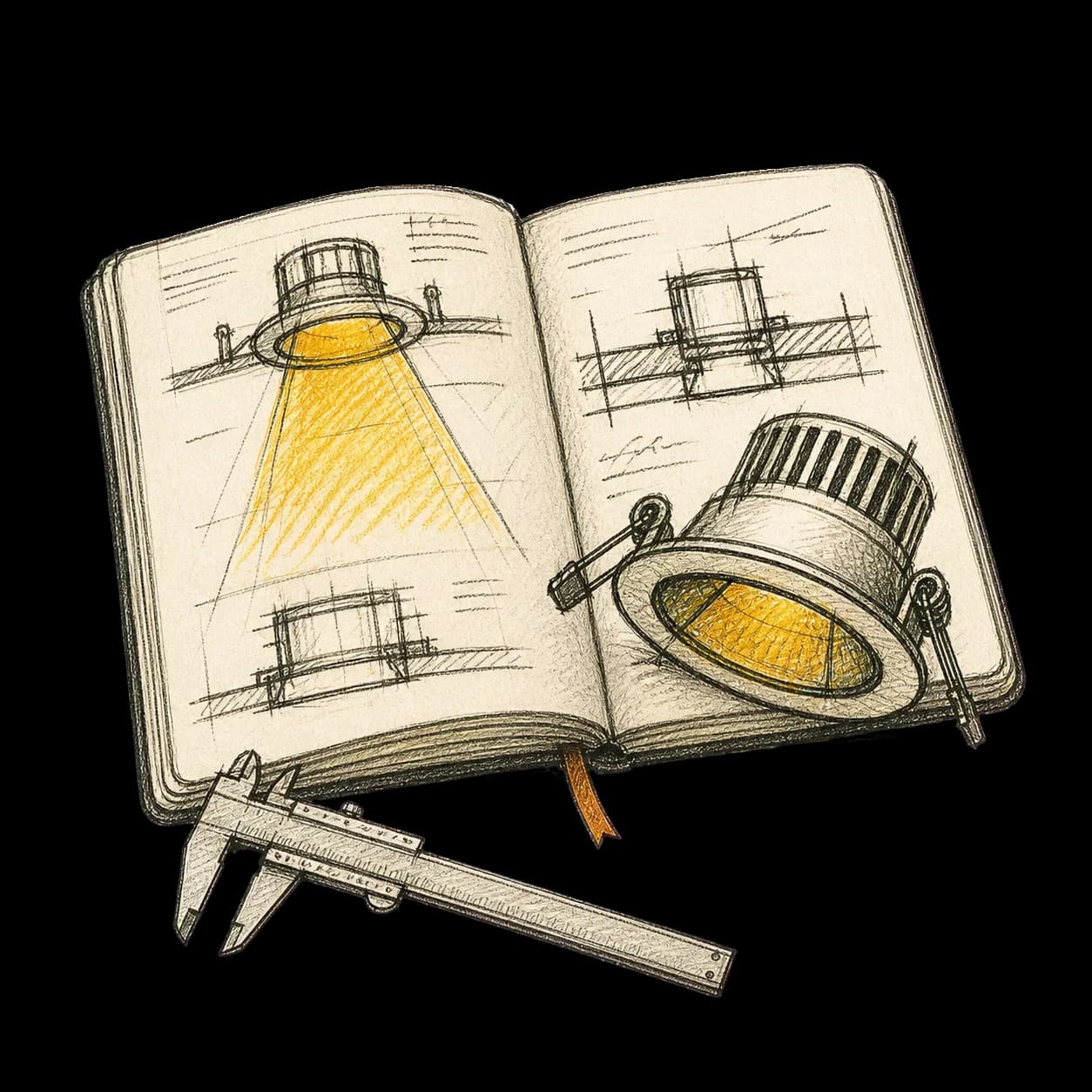
Recessed downlights sit inside the ceiling. Only the light-emitting face is visible. Surface-mounted downlights attach to the outside of the ceiling. The entire fixture body is visible. Both deliver the same quality of light. The difference is aesthetic and structural.
Recessed downlights: pros
Clean, minimal ceiling line. The fixture disappears into the architecture, which suits modern, minimalist interiors. They don't reduce headroom since they sit within the false ceiling void. This is the dominant choice in Singapore for new renovations where a false ceiling is being built anyway.
Recessed downlights: cons
They require a false ceiling with enough depth (typically 70–120mm depending on the fixture). This eats into your room height. In an HDB flat with 2.6m ceilings, a 200mm false ceiling drops you to 2.4m, which is still liveable, but you feel the difference. They also require more planning during renovation since the ceiling must be built around the lighting layout.
Surface-mounted downlights: pros
No false ceiling required. Mount directly onto concrete or any ceiling surface. This preserves full room height and simplifies installation. Available in striking cylindrical, cubic, and ultra-slim designs that become a design feature rather than disappearing. Ideal for industrial, loft, Scandinavian, and raw concrete aesthetics.
Surface-mounted downlights: cons
The fixture protrudes from the ceiling (typically 50–150mm). In rooms with very low ceilings, this can feel intrusive. The exposed wiring from the fixture to the ceiling point needs to be neatly managed. A visible wire tray or conduit may be needed if the ceiling doesn't have concealed wiring channels.
When to choose recessed
You're building a false ceiling anyway. You want a clean, invisible lighting solution. The room is a bedroom, bathroom, or living area where minimal visual noise is the goal. You have enough ceiling height to spare.
When to choose surface-mounted
No false ceiling and you don't want to build one. Exposed concrete or industrial ceiling aesthetic. The room has limited height and you need every centimetre. Retrofitting lighting into an existing space without major renovation.
Mixing both
Many Singapore homes use both. Recessed downlights in the living room where a full false ceiling is built, and surface-mounted fixtures in bedrooms or corridors where only partial ceilings or no ceilings are installed. The key is matching the colour temperature and light quality so the transition between rooms feels seamless.
Pricing in Singapore
The fixtures themselves cost about the same. A mid-range recessed downlight runs $15–35, and a comparable surface-mounted unit is $20–50. The real cost difference is structural. Recessed lights need a false ceiling, which costs $4–8 per square foot installed. For a typical HDB bedroom (about 100 square feet of ceiling), that adds $400–800 before fixtures and wiring. Concealed wiring runs $80–120 per light point. A four-downlight bedroom setup with false ceiling totals roughly $1,000–1,300. The same room with surface-mounted downlights and exposed wiring runs about $300–400 total. For a living room, the gap widens — the false ceiling alone can cost $1,600–3,000. Surface-mounted lights win on cost not because the fixtures are cheaper, but because you skip the ceiling.
HDB and BTO ceiling considerations
HDB ceilings are reinforced concrete slabs. You cannot cut into them to recess a downlight — it violates HDB regulations and compromises structural integrity. The only way to install recessed downlights in an HDB flat is to build a false ceiling below the slab. New BTO flats come with bare concrete ceilings and surface-mounted conduit wiring, so many BTO owners install surface-mounted downlights directly onto the concrete, keeping full ceiling height and avoiding the cost of a false ceiling. If you do build a false ceiling, HDB requires a minimum finished height of 2.4m. With the standard 2.6m slab, that gives you about 200mm of void. Slim recessed downlights need 80–100mm of depth and fit comfortably. Standard fixtures need 100–120mm. Anything deeper may conflict with aircon ducting in the same void. Plan the ceiling layout with your contractor and electrician together — lighting, aircon trunking, and wiring all compete for the same 200mm.
At a glance
Recessed: requires false ceiling, sits flush with ceiling surface, best for minimalist interiors, installed cost $150–250 per point including ceiling work, ideal for living rooms and bedrooms where a full false ceiling is already planned. Surface-mounted: no false ceiling needed, fixture body visible below ceiling, works well with industrial and Scandinavian aesthetics, installed cost $60–100 per point, ideal for BTO bare ceilings, corridors, and utility rooms.
Can you install recessed downlights without a false ceiling?
Not in HDB flats. The concrete slab cannot be hacked for recesses — it's structurally prohibited. You need a false ceiling with at least 80mm of void depth. In condos with existing drywall ceilings, retrofit remodel housings can sometimes work. In landed homes with accessible ceiling cavities, recessed installation without a full false ceiling is possible. For most Singapore homeowners, the choice is straightforward: build a false ceiling or go surface-mounted.
Are surface-mounted downlights cheaper?
Yes, significantly. The fixtures cost roughly the same, but total installed cost is about a third of recessed lighting once you factor in false ceiling construction. The savings are most pronounced in larger rooms where the ceiling area is substantial — a living room false ceiling can easily add $2,000–3,000 to the project.
Which type is brighter?
Neither. Brightness depends on wattage and lumen output, not mounting style. A 10W surface-mounted downlight and a 10W recessed downlight produce the same amount of light. Surface-mounted fixtures may feel marginally brighter in practice because the fixture sits below the ceiling plane and distributes light at a slightly wider angle. But for any given lumen rating, the output is identical.
Can I switch from surface-mounted to recessed later?
Yes, but you'll need to build a false ceiling. The conversion involves constructing the ceiling, concealing wiring within the new void, cutting fixture holes, and installing recessed housings. It's typically done as part of a broader renovation, not a standalone job. Going the other direction — recessed to surface — is simpler: fill the ceiling holes, patch, paint, and mount surface fixtures.
Do I need the same number of each type?
Yes. Both types deliver comparable lumen output per fixture, so the number of downlights depends on room size and target brightness, not mounting style. A 20 square metre living room needs 4–6 downlights regardless of whether they sit inside the ceiling or below it. Beam angle and wattage matter far more than mounting type when calculating fixture count.
Shop Recessed Downlights
Ready to order, shipped from our Singapore showroom.