Warm White vs Cool White: Which Colour Temperature Is Right?
The difference between 3000K and 6500K, and why it matters more than most people think.
Shopping for light bulbs? See prices and specs, or send us your floor plan.
What colour temperature means
Colour temperature is measured in Kelvin (K). Lower numbers produce a warm, yellowish light. Higher numbers produce a cool, bluish-white light. A candle is roughly 1800K. The midday sun is around 5500K. Your lighting sits somewhere on this spectrum, and the number you choose changes how a room feels more than any other single decision.
Warm white (2700K–3000K)
Warm white creates a relaxed, intimate atmosphere. It makes wood tones richer, skin tones more flattering, and spaces feel cosy. This is the standard for bedrooms, living rooms, dining areas, and anywhere you want people to feel comfortable. Most high-end restaurants and hotels use warm white exclusively. In Singapore, 3000K is the most popular residential choice, warm enough to feel inviting without the overly yellow cast of older incandescent bulbs.
Neutral white (4000K)
Neutral white sits in the middle: neither warm nor cool. It's clean, balanced, and functional. Kitchens, bathrooms, home offices, and workspaces benefit from 4000K because it renders colours more accurately than warm white without the clinical feel of daylight. It's also the most common choice for commercial offices and retail spaces in Singapore.
Cool white / daylight (5000K–6500K)
Cool white and daylight temperatures produce a bright, energising light with a slight blue tint. Useful in garages, workshops, utility rooms, and task-heavy environments where visibility is the priority over ambience. In Singapore, 6500K is still common in older HDB flats, the fluorescent tube default, but most renovations now move away from it in living spaces because it feels harsh and unflattering.
Mixing colour temperatures
A common mistake is mixing different colour temperatures in the same room. Two downlights at 3000K next to one at 4000K creates a jarring, inconsistent look. Stick to one colour temperature per room. You can vary between rooms (3000K in the bedroom, 4000K in the kitchen) but within a single space, consistency matters.
The Singapore context
Singapore homes tend to be compact, which means lighting has an outsized effect on how spaces feel. Warm white makes small rooms feel more expansive and relaxed. Cool white can make the same room feel like a clinic. The trend has shifted firmly toward 3000K for residential and 4000K for workspaces. If you're renovating and unsure, start with 3000K for living areas and 4000K for kitchens and bathrooms. You won't regret it.
Tunable white
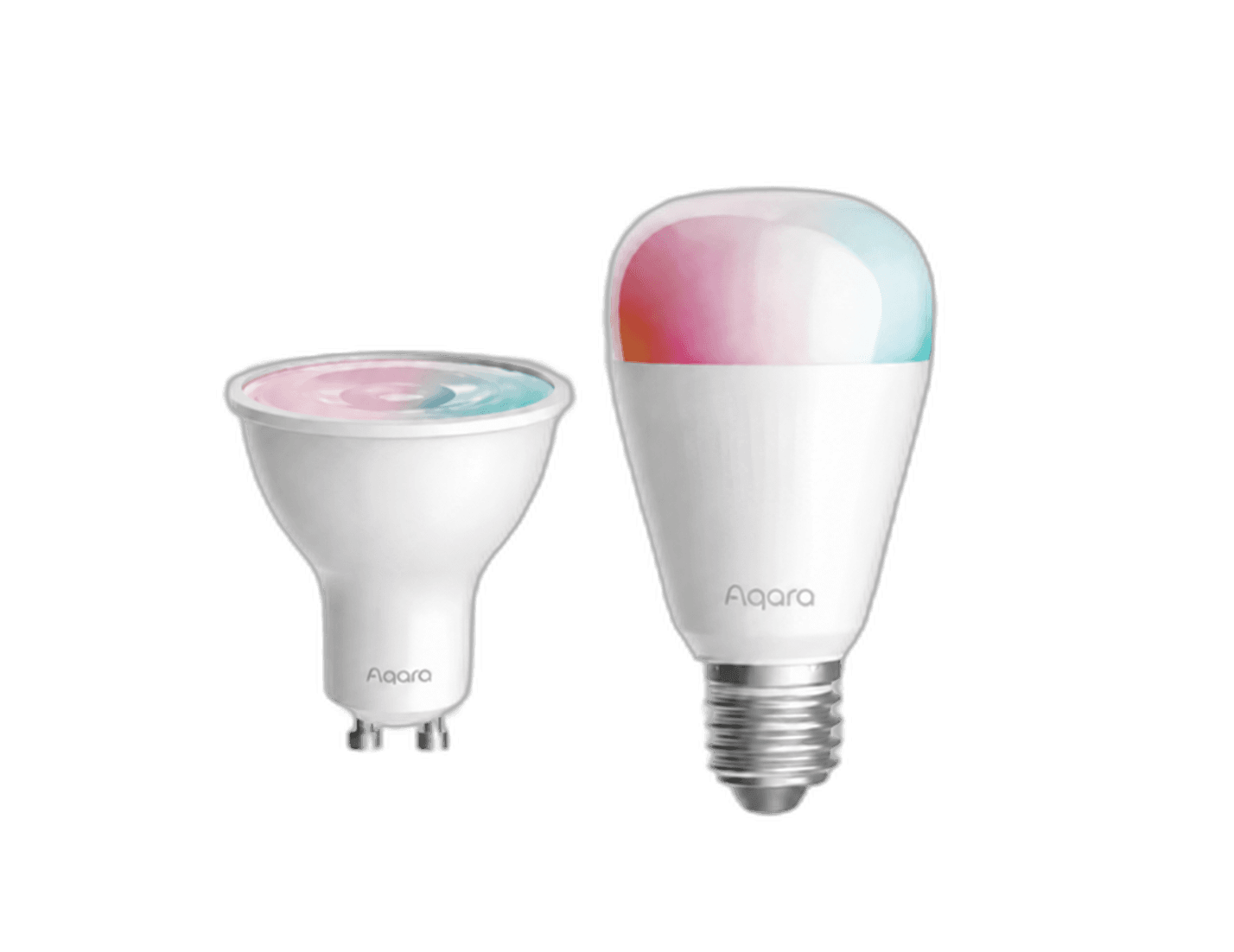
Some modern fixtures offer tunable white: a single fitting that can shift between warm and cool. This is useful in multipurpose rooms (a home office that doubles as a guest room) or for people who want to match their lighting to the time of day. The technology is mature and the price premium has come down significantly. Ask us about tunable options at the showroom.