Warm White vs Cool White vs Daylight — Singapore HDB Guide
Which colour temperature for each room in your HDB or condo? 2700K to 6500K explained with a room-by-room picker.
Shopping for light bulbs? See prices and specs, or send us your floor plan.
What colour temperature means — and why it matters
Your bulb box says 3000K or 6500K. What does that number mean, and does it matter? The short answer: it changes how every room in your home looks and feels, more than any other single lighting decision. Colour temperature — measured in Kelvin (K) — determines whether your light is warm and yellowish, neutral and balanced, or cool and bluish-white. Choosing the wrong one makes a bedroom feel like a clinic and a kitchen feel like a hotel lobby. This guide covers what each Kelvin range looks like, which temperature suits each room in a typical Singapore HDB or condo, and how tunable smart bulbs let you skip the decision entirely by adjusting on the fly. No physics lectures. Just practical advice for your next bulb purchase or renovation.
Quick picker
Living room: 3000K. Bedroom: 2700–3000K. Kitchen: 4000K. Bathroom: 4000–5000K. Kids' room or study: 4000K. Corridor: 3000K. Balcony: 4000K. Service yard: 5000–6500K. Or: install tunable white bulbs in any room where you cannot decide — they shift between warm and cool at the tap of an app. For most Singapore homeowners renovating today, 3000K for living spaces and 4000K for task areas is the default that works.
The Kelvin scale explained
Kelvin measures the colour of light, not how bright it is. A 3000K bulb and a 6500K bulb can output the same lumens (brightness) but look completely different. Lower Kelvin numbers produce warmer, more yellow-orange light. Higher numbers produce cooler, bluer white light.
Here is the practical scale: 2700K — warm, similar to the old incandescent bulb glow, cosy and relaxing. 3000K — warm white, the most popular residential lighting temperature in Singapore today, warm without being overly yellow. 4000K — neutral white, clean, balanced, neither warm nor cool, the standard for offices, kitchens, and bathrooms. 5000K — bright white, energising and clinical, good for task areas where visibility is the priority. 6500K — daylight blue-white, the default in older HDB fluorescent tubes, bright but harsh for living spaces.
A common mistake is confusing colour temperature with brightness. A dim 6500K bulb is still cool and bluish — it is not brighter than a 3000K bulb at the same wattage. If you want more light, increase the lumen output or add more fixtures. If you want a different mood, change the Kelvin.
The visible difference between 2700K and 3000K is subtle. The jump from 3000K to 4000K is noticeable. And the shift from 4000K to 6500K is dramatic — it is the difference between a modern cafe and a hospital corridor.
Warm white: 2700–3000K
Warm white is the comfort zone of residential lighting. It makes wood tones richer, skin tones more flattering, and spaces feel welcoming. In Singapore, 3000K has become the default choice for living rooms, bedrooms, and dining areas. It is warm enough to feel inviting without the heavy amber cast of 2700K, which some younger homeowners find too yellow.
2700K still has its place — bedrooms where maximum relaxation is the goal, and dining rooms designed for intimate evening meals. Some high-end restaurants in Singapore use 2700K exclusively for that warm, candlelit atmosphere.
For most HDB and condo living rooms, 3000K strikes the right balance. It works with neutral and warm interior palettes, pairs well with wood flooring (which most Singapore flats have), and feels comfortable for extended evening hours. If your living room also serves as a workspace during the day, you might prefer 4000K there instead — or install tunable bulbs and switch between the two.
The one rule: do not mix 2700K and 3000K fixtures in the same room. The difference is subtle but visible when side by side, and it looks unintentional.
Cool white: 4000K
4000K is clean, balanced, and functional. It is called cool white but it is actually more neutral than cold — a natural daylight-adjacent tone that renders colours accurately without any warm tint.
In Singapore homes, 4000K is the standard for kitchens, bathrooms, home offices, study rooms, and kids' bedrooms. Food looks its correct colour under 4000K (important when cooking). Faces look natural in the bathroom mirror. Text is easy to read without eye strain.
4000K is also the default in most BTO fittings — if your new flat came with lights, they are almost certainly 4000K. It is a perfectly fine default, though many homeowners switch their living room and bedroom lights to 3000K during renovation for a warmer evening feel.
For children's study areas, 4000K or even 5000K supports concentration without the harshness of 6500K. If your child studies in their bedroom, consider 4000K for the main ceiling light and 3000K for a bedside lamp — or a tunable bulb that covers both.
Do not be afraid of 4000K in open-plan kitchen-living rooms. It is clean without being clinical, and it stops short of the blue cast that makes 6500K so unflattering in living spaces.
Daylight: 5000–6500K
This is the temperature range most Singapore residents grew up with — the long fluorescent tube at 6500K that lit every HDB flat for decades. It is bright, efficient, and functional. It is also harsh, unflattering, and makes every room feel like a workspace.
5000K (bright white) has legitimate uses: bathrooms where you need accurate colour rendering for grooming, utility rooms, service yards, laundry areas, and home workshops. It is energising and provides maximum visual clarity.
6500K (full daylight) pushes further into blue-white territory. It is useful for garages, storerooms, and commercial spaces where ambience does not matter. In residential spaces, there is almost no reason to choose 6500K anymore — LED technology has made lower Kelvin options just as bright in terms of lumen output.
The most common lighting mistake in Singapore renovations: installing 6500K in the master bedroom because it seems brighter. It is not brighter — it is just bluer. A 3000K bulb at 900 lumens puts out exactly as much light as a 6500K bulb at 900 lumens. The colour is different, not the brightness. If you want your bedroom to feel like a restful retreat rather than an exam room, swap those 6500K bulbs for 3000K. The difference is immediate.
Room-by-room guide for Singapore homes
Here are the recommended colour temperatures for each room in a typical Singapore HDB or condo, based on how these spaces are used.
Living room: 3000K. This is where you spend evenings, host guests, and unwind. Warm white makes the space feel spacious and relaxing. If your living room doubles as a home office, consider tunable bulbs.
Master bedroom: 2700–3000K. The bedroom is for rest. Warm lighting supports the body's transition toward sleep. Avoid 4000K and above here unless you have a dedicated dressing area that needs it.
Kids' bedroom: 3000K for ambient, 4000K for the study desk. If the room serves both sleep and homework, two circuits at different temperatures (or tunable smart bulbs) are ideal.
Kitchen: 4000K. Clean, accurate colour rendering for food preparation. If your kitchen is open-plan to the living room, 4000K in the kitchen zone and 3000K in the living zone creates natural separation.
Bathroom: 4000–5000K. Accurate grooming light around the mirror. Higher Kelvin ranges are acceptable here because bathroom visits are short and task-oriented.
Study or home office: 4000K. Functional and non-fatiguing for extended focus work.
Corridor: 3000K. Warm corridors feel welcoming when you enter the home. Many Singapore homeowners overlook corridor lighting — it is the first impression when you walk through the door.
Balcony: 3000–4000K. Depends on whether you use it for relaxation (3000K) or functional tasks like laundry sorting (4000K).
Service yard and utility: 5000–6500K. Pure function — brightness and clarity matter, ambience does not.
Tunable white and smart bulbs — the best-of-both answer
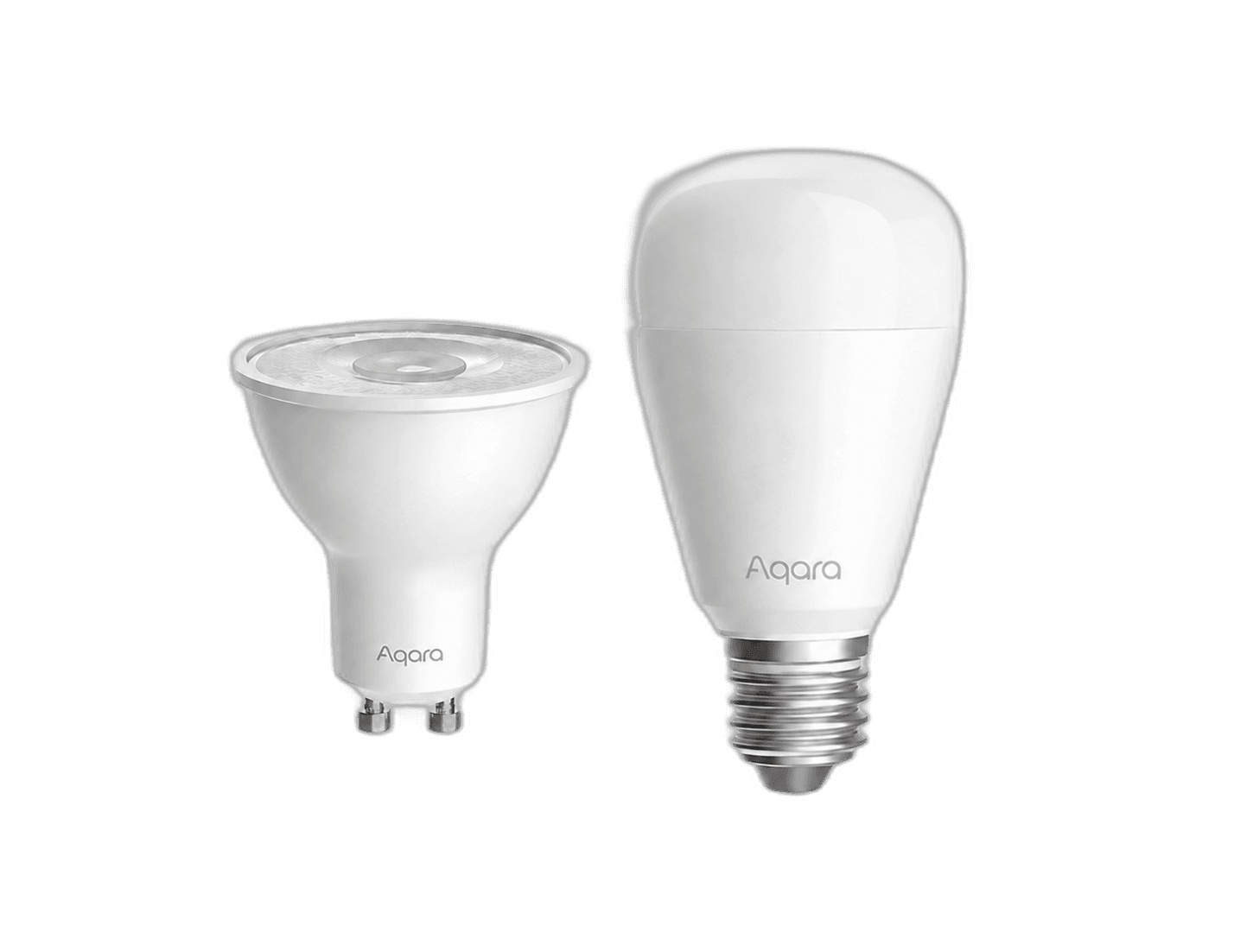
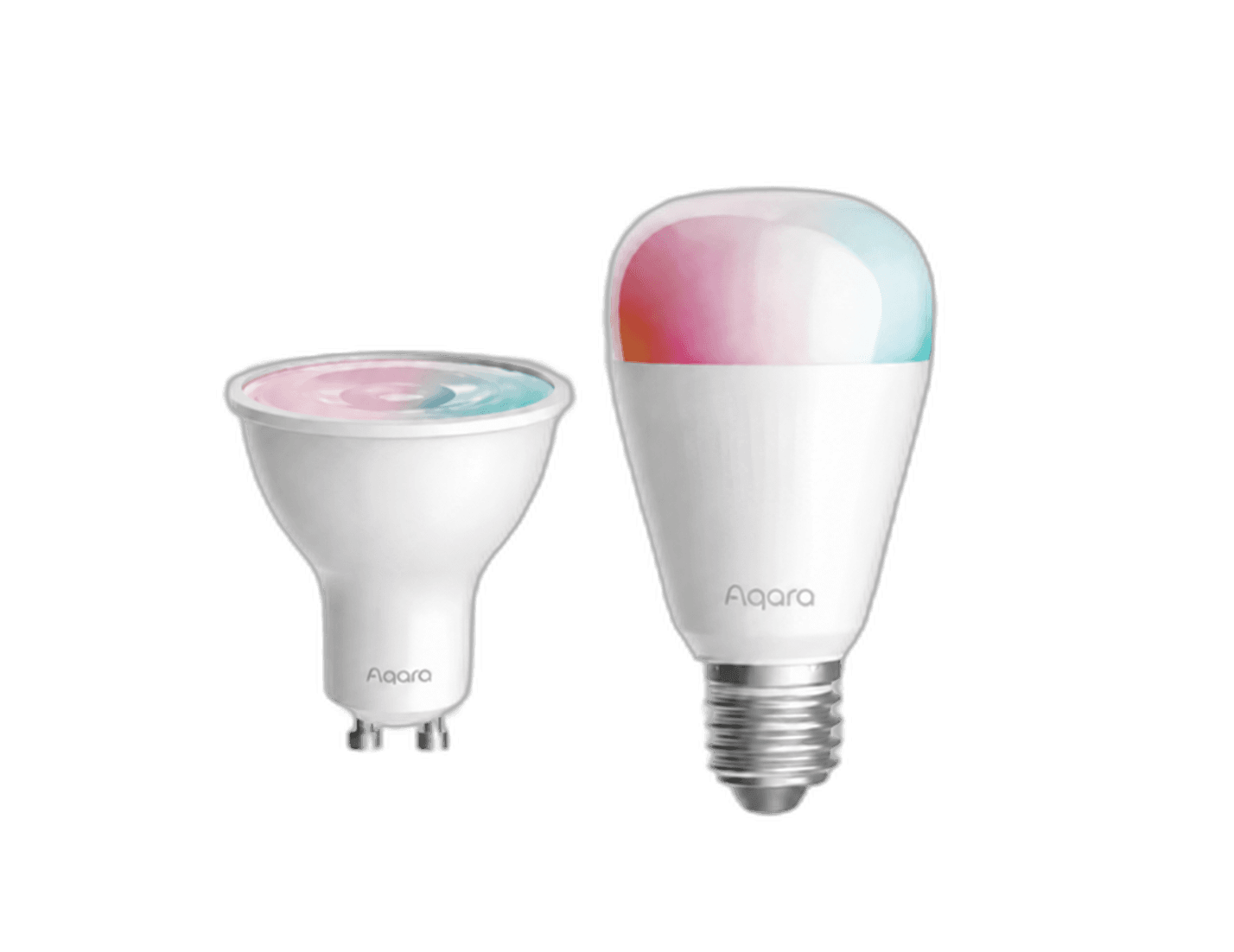
If the room-by-room list above made you think that your living room needs both warm and cool, that is exactly what tunable white solves. A tunable white bulb contains two sets of LEDs — warm and cool — and blends them to any Kelvin value in between. You set 3000K for a relaxed evening and 4500K for a productive morning, from the same fixture.
Tunable white is available in all common socket types: E27, E14, and GU10. It is standard in most smart bulbs and increasingly common in premium downlights and track light modules. The price premium over a fixed-temperature bulb is roughly 30–50%, but the flexibility is genuine — you eliminate the need to pick one temperature for a room that serves multiple purposes.
Smart bulbs take it further with app control, voice control (via Google Home, Alexa, or Apple Home), scheduling (automatically shift to warm at sunset), and scene presets. For a bedroom, schedule 4000K for the morning alarm and 2700K for evening reading. For a home office, set 4000K during work hours and 3000K after.
One caveat: tunable and smart bulbs cost more per unit. For fixed-purpose rooms (bathroom, corridor, service yard), a standard fixed-temperature LED is perfectly adequate and more cost-effective.
Common mistakes
Mixing colour temperatures in one room. Two downlights at 3000K next to one at 4000K creates a jarring, patchy look. Stick to one temperature per room. Buy spares at the same time as your main batch.
Buying 6500K for the living room because it seems brighter. Brightness is measured in lumens, not Kelvin. A 900-lumen 3000K bulb is exactly as bright as a 900-lumen 6500K bulb. If you want more light, get higher lumens — not a higher Kelvin number.
Ignoring CRI. CRI (Colour Rendering Index) measures how accurately a light source shows true colours. Cheap LEDs with CRI below 80 make everything look washed out regardless of Kelvin. Aim for CRI 80 minimum; CRI 90+ for kitchens, bathrooms, and anywhere you care about colour accuracy.
Not checking the box before buying replacements. If one bulb in your ceiling dies, check the Kelvin and lumen rating before buying a replacement. Mismatched replacements are the most common cause of mixed temperatures in a room.
Frequently asked questions
What Kelvin for HDB living room? 3000K for most homeowners. It is warm, flattering, and the standard in modern Singapore renovations.
3000K vs 4000K for the kitchen? 4000K is recommended for kitchens — better colour accuracy for food and a clean, functional feel. If your kitchen is open-plan, 4000K in the kitchen zone transitioning to 3000K in the living zone works naturally.
Is 6500K too bright for bedrooms? It is not too bright — it is too blue. The harsh, clinical tone of 6500K disrupts sleep and makes the room feel like an office. Switch to 3000K or 2700K for bedrooms.
Can I mix warm and cool in one room? Not within the same fixture type. Using 3000K downlights alongside a 4000K desk lamp in a study is acceptable because they serve different zones. Using two different temperatures in the same ceiling grid is not.
Are smart tunable bulbs worth it? For rooms that serve multiple purposes — living room, kids' bedroom, home office — yes. For single-purpose rooms, fixed-temperature LEDs are more cost-effective.