Cove Lighting: The Complete Guide for Singapore Homes
How to use LED strips and ceiling coves to create ambient, indirect lighting that transforms a room.
Shopping for led strips? See prices and specs, or send us your floor plan.
What is cove lighting?
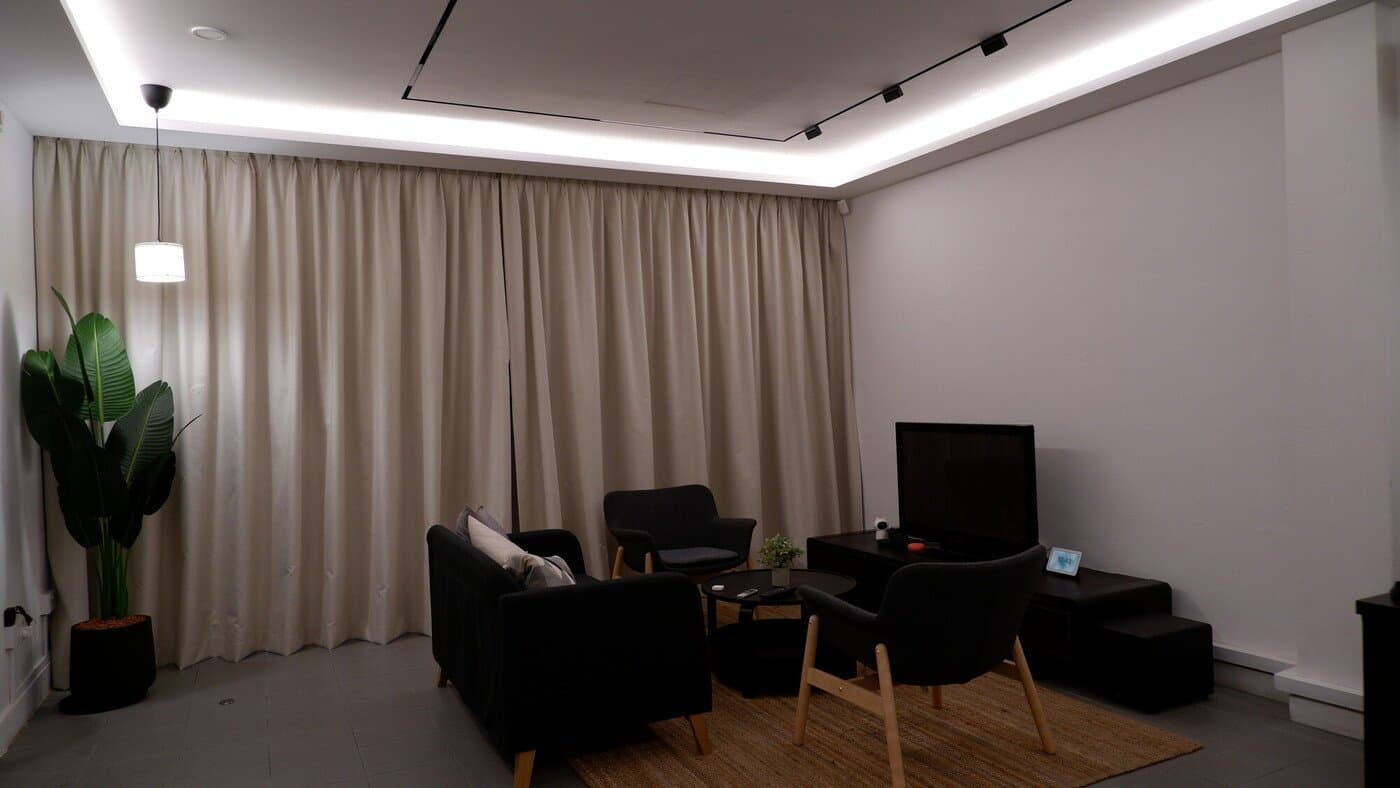
Cove lighting is indirect illumination hidden within a recessed ledge or cove in the ceiling, wall, or floor. The light source, almost always LED strips, is concealed from direct view. You see the glow, not the fixture. The effect is a soft wash of light that makes ceilings appear to float and rooms feel larger and more atmospheric.
How a lighting cove is built
A cove is created by building a false ceiling or pelmet that extends partway across the room, leaving a gap between the false ceiling edge and the wall (or between two ceiling levels). LED strips are mounted inside this gap, facing upward toward the true ceiling. The light bounces off the ceiling and reflects down into the room as soft, diffused ambient light.
LED strip selection
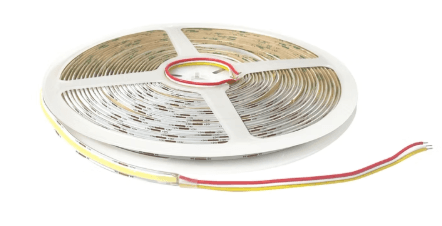
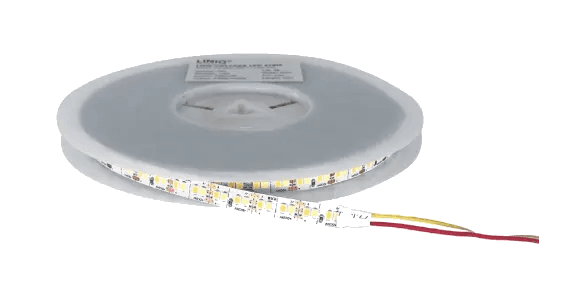
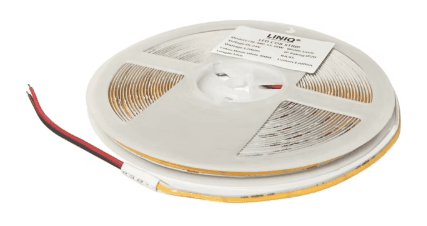
For cove lighting, use LED strips with at least 60 LEDs per metre. 120 LEDs/m gives a smoother light line. Choose strips with a high CRI (90+) for natural colour rendering. Colour temperature should match the room's main lighting, typically 3000K for living spaces. Output should be sufficient to produce a visible glow without being the primary light source. 8–12W per metre is a good range for residential coves.
Common cove designs in Singapore
L-shaped cove: a false ceiling drops along the perimeter of the room with LED strips in the gap. This is the most common in HDB and condo renovations. Box cove: a rectangular false ceiling in the centre of the room with cove lighting around its edges. Feature wall cove: LED strips hidden behind a protruding wall panel or TV console, creating a backlit effect. Pelmet cove: LED strips hidden within the curtain pelmet, washing light up the wall above the window.
Getting the glow right
The gap between the LED strip and the reflecting surface (usually the ceiling above) determines the width and evenness of the glow. Too close and you get a harsh, narrow line. Too far and the light dissipates before it reaches the ceiling. A gap of 80–120mm typically works well for residential ceiling heights. Test with a sample strip before committing to the full installation.
Dimming
Cove lighting is dramatically better on a dimmer. At full brightness it's functional ambient light. Dimmed to 20–30% it becomes mood lighting. A compatible LED dimmer connected to the strip driver is all you need. Smart dimmers let you control it from your phone or voice assistant. Budget for dimming from the start. It's not worth doing cove lighting without it.
Installation tips
Mount LED strips in aluminium profiles for better heat dissipation and a cleaner look. Run the driver cable to an accessible location, because drivers fail before strips do, and you don't want to tear open a ceiling to replace one. Use a single continuous strip run per cove section to avoid visible bright spots at junctions. Plan the driver location and wiring before the false ceiling is closed up.